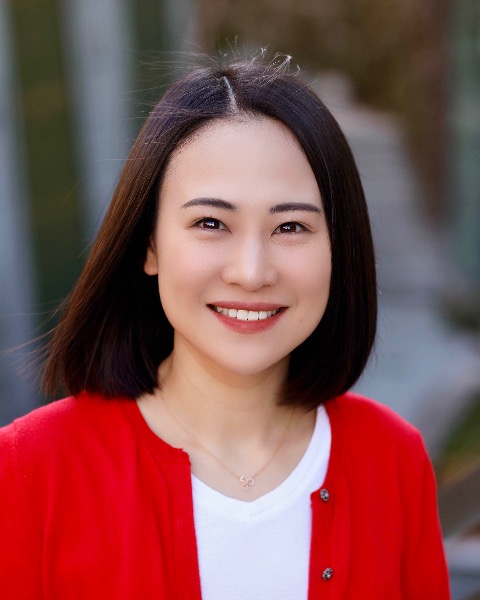
Associated Professor UCLA Broad Stem Cell Research Center, California, United States
Abstract: The vasculature and mesenchyme exhibit distinct organ-specific characteristics adapted to meet local physiological demands. The microenvironment and cell-cell interactions are crucial in driving the adoption of organotypic features since the earliest developmental stages. To recapitulate this entire process, we co-differentiated mesoderm and endoderm lineages from iPSCs within the same spheroid to vascularize lung and intestinal organoids. The ratio of endoderm and mesoderm lineages was fine-tuned by BMP signaling during the initial stage of differentiation, a critical step in generating the appropriate proportions of endothelial and epithelial progenitors with tissue specificity for subsequent organoid patterning and vascularization. Single-cell RNA-seq analysis further demonstrated the organ-specific gene signatures of endothelium and mesenchyme, and identified key ligands driving endothelial specification in both lung and intestine. The organotypic endothelium exhibited tissue-specific barrier function, enhanced organoid maturation, promoted cellular diversity, and supported alveolar structure formation on bioengineered scaffolds. Upon transplantation into mice, the vasculature retained its organ specificity and integrated with the host circulation, further enhancing the maturation and patterning of the organoids. Additionally, our model revealed abnormal endothelial-epithelial crosstalk in patients with FOXF1 deletion or mutations. Multilineage organoids provide a unique platform to study developmental cues guiding endothelial and mesenchymal cell fate determination, and investigate intricate cell-cell communications in human organogenesis and disease.