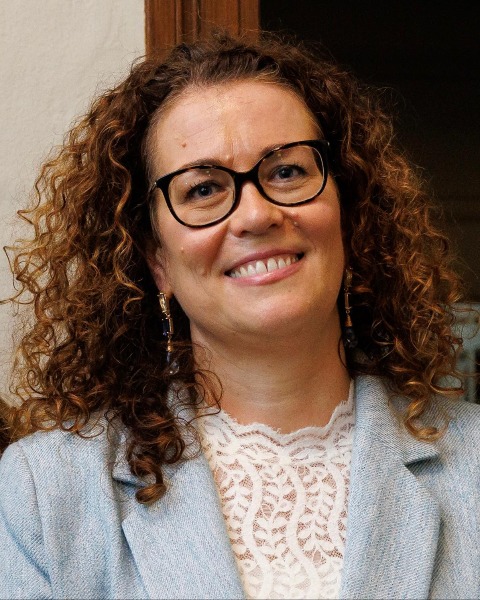
Postdoctoral Researcher Leiden University Medical Centre, Netherlands
Abstract: Emerging technologies such as stem cell-mediated gene therapies (GT) may provide a curative therapeutic option for patients with inborn errors of immunity (IEI). This condition presents diverse symptoms and may lead to frequent severe infections, immune dysregulation, autoimmunity, autoinflammation, allergy, and/ or malignancy. The development and evaluation of new GT interventions raise ethical challenges. To identify these challenges, insight into patients' perspectives on stem cell therapy, including hematopoietic stem cell transplantation (HSCT) and stem cell-mediated GT, is needed. These perspectives may inform the decision-making and consent process for clinical use. This qualitative study focused on the perspectives of patients with an IEI who had undergone HSCT to gain insights into how this cohort would view stem cell-based GT. Data was collected through in-depth interviews and analysed using a reflexive, inductive thematic approach. Currently, the sample consists of nine IEI patients who previously had treatment involving HSCT. Three main themes were observed in the analysis of the preliminary data. First, ‘hoping for a positive future’ reflects the primary motivation for considering curative therapy. Second, ‘becoming prepared for the decision’ highlights the critical processes patients underwent while considering a curative treatment option, such as adapting towards curation, weighing values, and needing to gain trust in the available options. Third, ‘considering a hypothetical therapy’ shows that while being hopeful about avoiding graft versus host disease, patients also recognized the experimental nature of GT which involves unknown outcomes and risks that are difficult to assess. This last theme underscored the need for guidance from healthcare professionals because of the difficulty in balancing uncertainties about possible therapeutic options against patients' hope for a positive future. The patients’ perspectives captured in our study highlight the complex challenges they faced when considering therapeutic options in IEI. As new GT and other novel stem cell-based interventions are developed, consideration of patients' hopes and the uncertainties regarding disease impact and therapeutic options is essential for patients to make treatment decisions autonomously.
Funding Source: Novo Nordisk Foundation Center for Stem Cell Medicine, reNEW